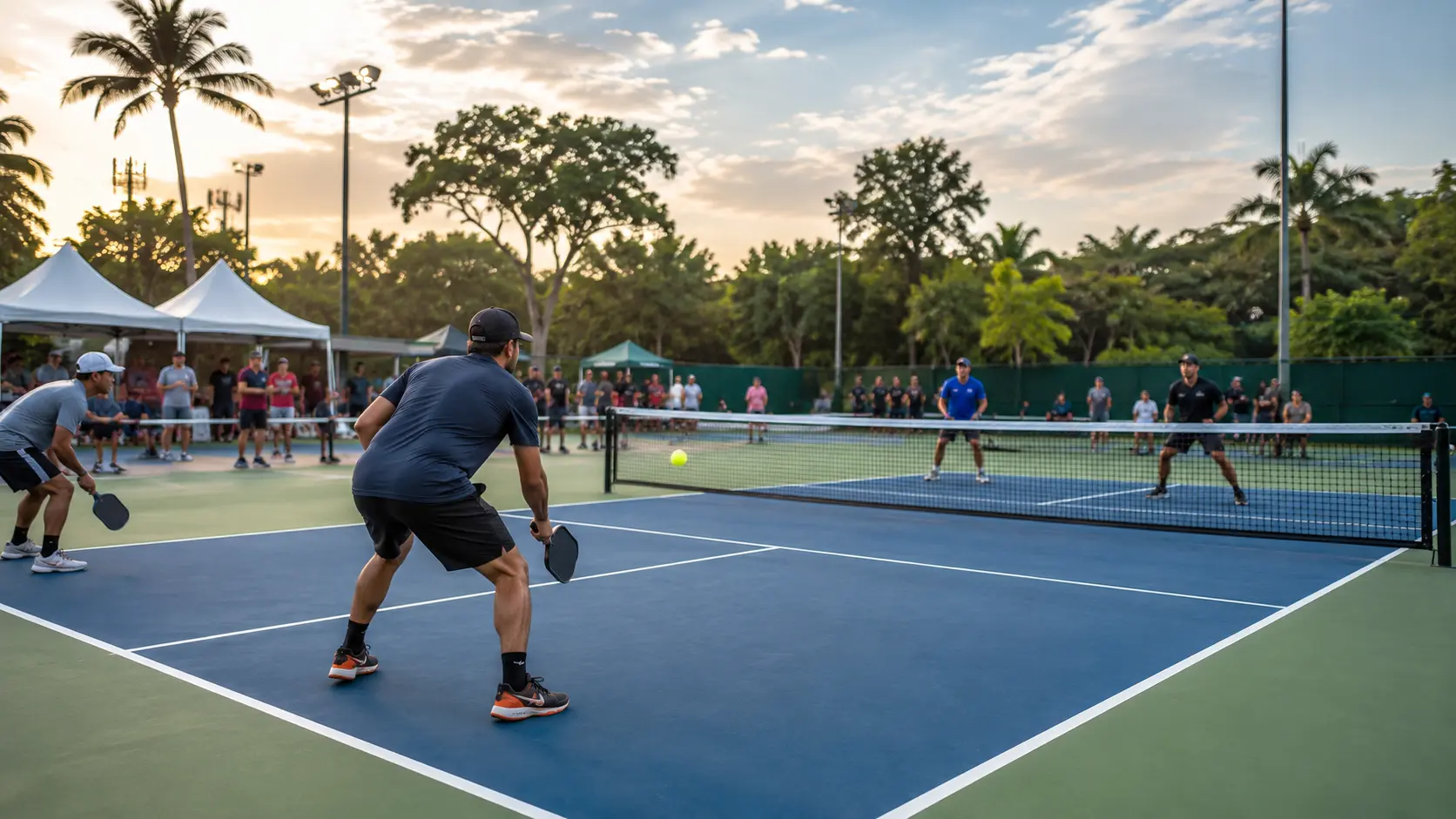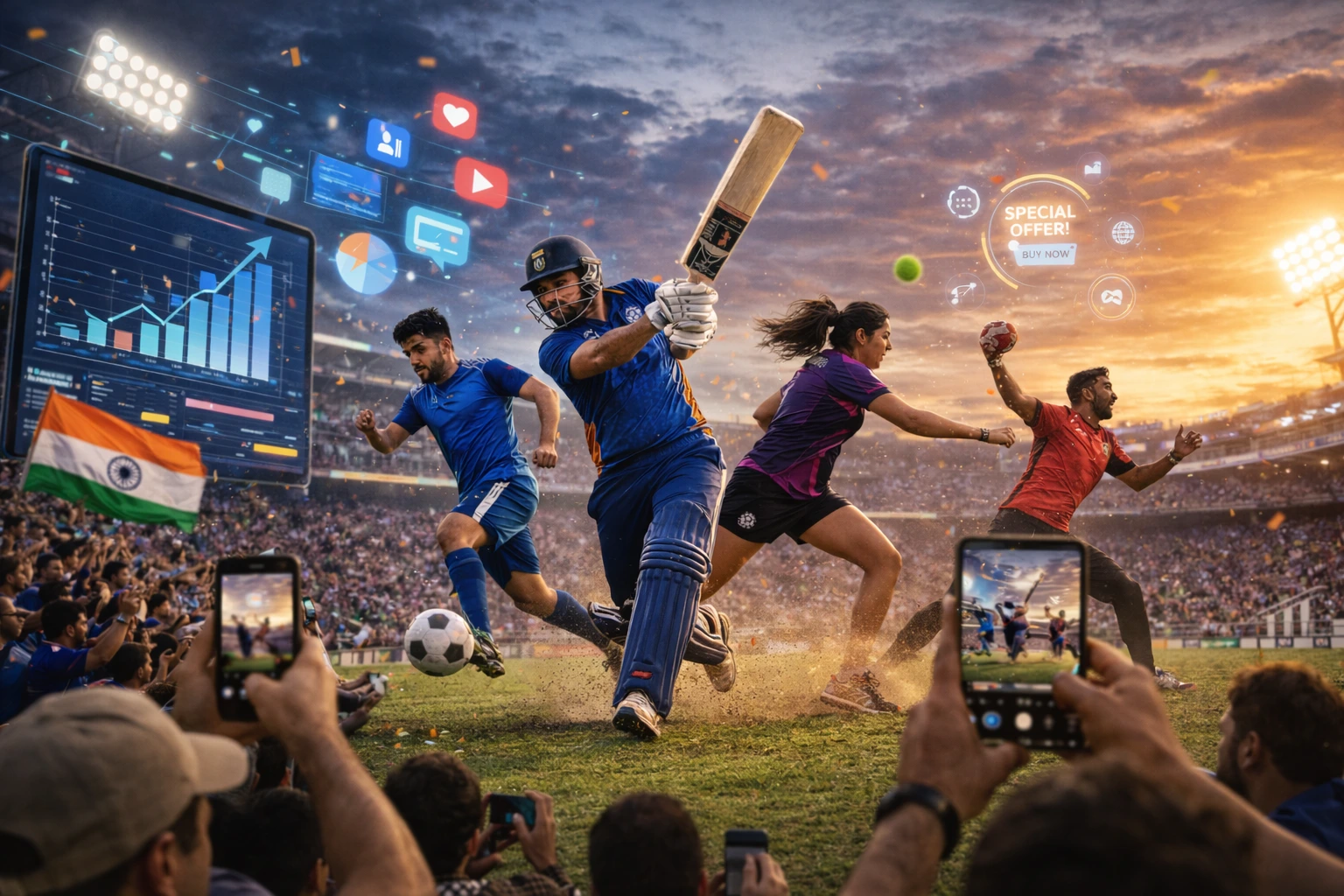
India's sports economy is in the middle of a genuine structural shift. What was once a two-sport country — cricket and cricket — is now a multi-sport ecosystem with professional leagues across kabaddi, volleyball, badminton, football, wrestling, boxing, athletics, pickleball and a growing number of regional and niche formats. The Indian sports market was valued at approximately ₹22,000 crore in 2024, and estimates project continued growth through 2030 driven by media rights deals, franchise investments, and government infrastructure spending under Khelo India.
But here's what the headline numbers don't show: the overwhelming majority of this value is concentrated in three or four properties. Below that top tier — the IPL, PKL, ISL, and a handful of PBL teams — there is a vast and mostly invisible layer of emerging leagues that are producing genuine sport, building passionate regional audiences, and struggling commercially not because the sport isn't good but because their marketing doesn't match their ambition.
A Two-Speed Market
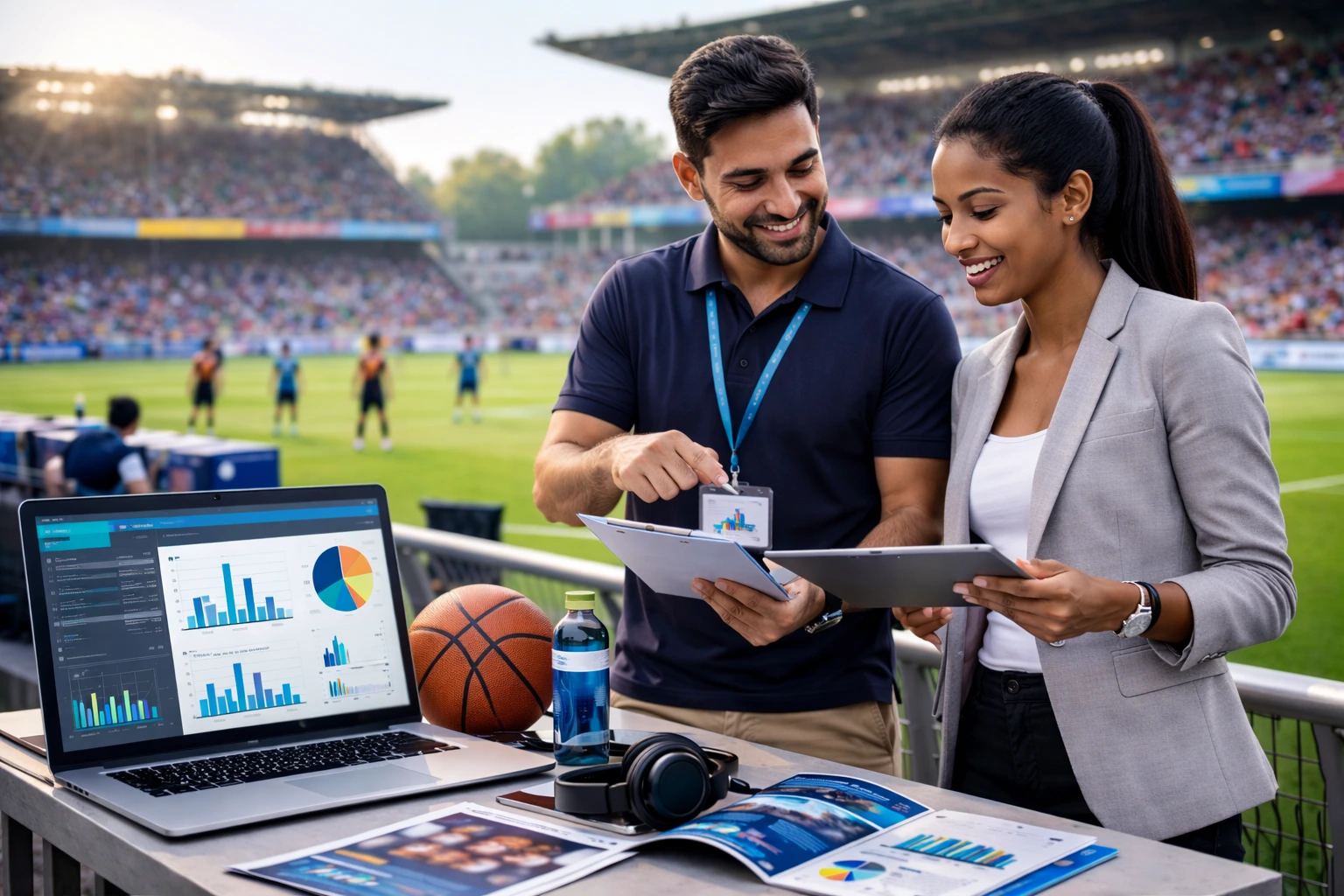
Indian sports marketing in 2026 is a two-speed market. At the top, franchises and leagues with established media rights deals are running sophisticated, data-driven marketing operations with dedicated brand teams, influencer partnerships, and multi-crore digital marketing budgets. These properties benefit from television deals that guarantee national visibility regardless of their individual marketing efforts.
Below them, a growing number of emerging leagues — many funded by sports associations, regional governments, corporate CSR budgets, or passionate individual investors — are operating without dedicated marketing teams. Their events happen. Their athletes compete. Their audiences show up. But the commercial infrastructure, the sponsorship relationships, the fan databases, the content archives, the digital presence — is either absent or deeply underdeveloped.
This gap is the central problem of Indian sports marketing in 2026. It's a solvable problem, which is why the leagues that are investing in marketing now are pulling away from the pack.
What the Growing Leagues Are Doing Differently
The leagues gaining commercial traction in India right now share a set of common marketing behaviours that their stagnant counterparts don't:
Short-form video is their primary growth channel. Reels and YouTube Shorts featuring athlete moments, behind-the-scenes content, match highlights, and fan reactions are consistently outperforming traditional promotional content. Leagues that have built a match-day content production system with a designated videographer and social media manager present at every event — are generating organic reach that paid advertising cannot buy.
Fan database building is treated as a strategic asset. Forward-thinking leagues are collecting audience data systematically — through WhatsApp channels, event check-in forms, QR codes at venues, and online ticket purchases. This data becomes the evidence base for sponsor proposals. It converts 'we have good crowds' into 'we have 12,000 documented fans, 68% male, 62% between 18 and 35, concentrated in these four cities.'
Athlete branding is being used as a league marketing channel. When individual athletes have social followings, their personal brand amplifies the league's reach. Leagues that are investing in athlete content — profile features, training videos and interview series — are building cumulative media assets that work for sponsorship conversations.
Sponsorship is being treated as a relationship, not a transaction. The leagues closing multi-season sponsorship deals are the ones producing detailed post-event reports that show sponsors exactly what they got for their investment — logo impressions, social media mentions, event attendance, and brand recall data.
The Most Common Failure Patterns
The most common failure patterns in Indian sports league marketing in 2026 are predictable and preventable:
Event-only social media: Posting only on match days creates a presence that's active for 2-3 days per month and silent for the rest. Algorithms suppress accounts with inconsistent posting patterns, and audiences forget leagues that go quiet for weeks.
Generic sponsorship proposals: Most sponsorship decks in Indian emerging sports are essentially brochures — they list the event, show some photos from last season, and ask for a number. They don't tell a sponsor ROI story, don't include audience data, and don't explain why this league is a better investment than the next one.
No landing page infrastructure: When a league runs a social media campaign, the destination is typically an Instagram profile or a WhatsApp number. Without a dedicated landing page, there's no way to capture lead data, retarget visitors, or measure campaign performance accurately.
No off-season strategy: Leagues that go silent between seasons lose the audience momentum they built during the active period. The most effective leagues treat the off-season as a brand-building opportunity athlete training content, fan polls, season preview content, and sponsorship announcement campaigns.
The Sponsorship Opportunity
Indian corporate sponsorship spend on sports is growing, but it's flowing upward — toward proven properties with documented audiences — rather than spreading evenly across the ecosystem. Regional brands, D2C companies, and SMEs with marketing budgets between ₹10 lakh and ₹2 crore represent an enormous untapped sponsorship pool for emerging leagues, but accessing this capital requires a level of marketing sophistication that most emerging leagues don't yet have.
Brands in this budget range are increasingly performance-minded. They don't have large marketing teams that can evaluate opportunities intuitively. They want data. They want post-event reports. They want to know what they got for their money. They want to see that the league takes its own commercial development seriously.
Leagues that can demonstrate audience demographics, content reach, and structured activation plans are finding this sponsor segment more accessible than they expected. The barrier isn't the audience size — it's the quality of the story being told about the audience.
The Digital Marketing Gap
Digital marketing adoption among Indian sports leagues in 2026 is uneven. The top tier is sophisticated. The emerging tier is mostly amateur — posting manually, relying on organic reach, and running occasional paid campaigns without a coherent strategy.
The gap is not primarily budget-related. Many emerging leagues have marketing budgets that would be sufficient for meaningful digital campaigns. The gap is expertise. Running effective sports marketing on digital platforms requires an understanding of how sports audiences consume content — which differs significantly from how general consumer audiences behave.
Sports audiences are highly event-driven. Engagement peaks before and after matches. The window for viral content from an event is 24-48 hours. Athlete-driven content consistently outperforms league brand content. Community content (fan reactions, crowd shots, local pride) performs better in regional leagues than polished production. These patterns require a platform-specific, sports-specific approach that generic digital marketing agencies typically don't have.
The Growth Opportunity
For emerging leagues willing to invest in marketing infrastructure, the growth opportunity in 2026 is significant. The sports economy is growing. Corporate sponsorship budgets for sports are expanding. Fan appetite for regional and niche sports is demonstrably increasing — every successful new sports format proves the market is there.
The leagues that will capture this growth are the ones that treat marketing as infrastructure now — before they're large, not after. Building a documented fan base, a content archive, and a sponsor relationship portfolio early creates compounding returns. Every season's investment amplifies the next season's commercial position.
The first mover advantage in Indian emerging sports marketing is real and substantial. The league that builds its marketing infrastructure first in its sport and geography becomes the default destination for sponsors in that space.
Conclusion
The state of sports league marketing in India in 2026 is one of enormous potential poorly captured. The audiences exist. The corporate interest exists. The sport is improving. What's missing is the marketing sophistication to connect these elements into sustainable commercial growth.
Eyelevel works with emerging sports leagues, associations, and franchise teams across India to build the marketing infrastructure that converts great sport into sustainable commercial success. If your league is ready to move beyond event management into genuine marketing strategy, connect with our team at theeyelevelstudio.com.
Want to Build a Successful Sports League Brand?
As the sports industry in India continues to evolve, strong marketing strategies are becoming essential for league growth. Explore more insights on fan engagement, sponsorship strategies, and digital marketing approaches that help emerging leagues build long-term success.
Tags: